China’s 14th Five‑Year Plan: Quantum Technology as a Pillar of the 2035 Innovation State
An in‑depth look at how China’s latest five‑year plan integrates quantum information science with AI, photonics, and advanced manufacturing to build a self‑sufficient innovation ecosystem by 2035. Why the 14th Five‑Year Plan Matters for Quantum Technology China’s 14th Five‑Year Plan (2021‑2025) places quantum information science at the heart of a broader deep‑technology strategy, weaving it …
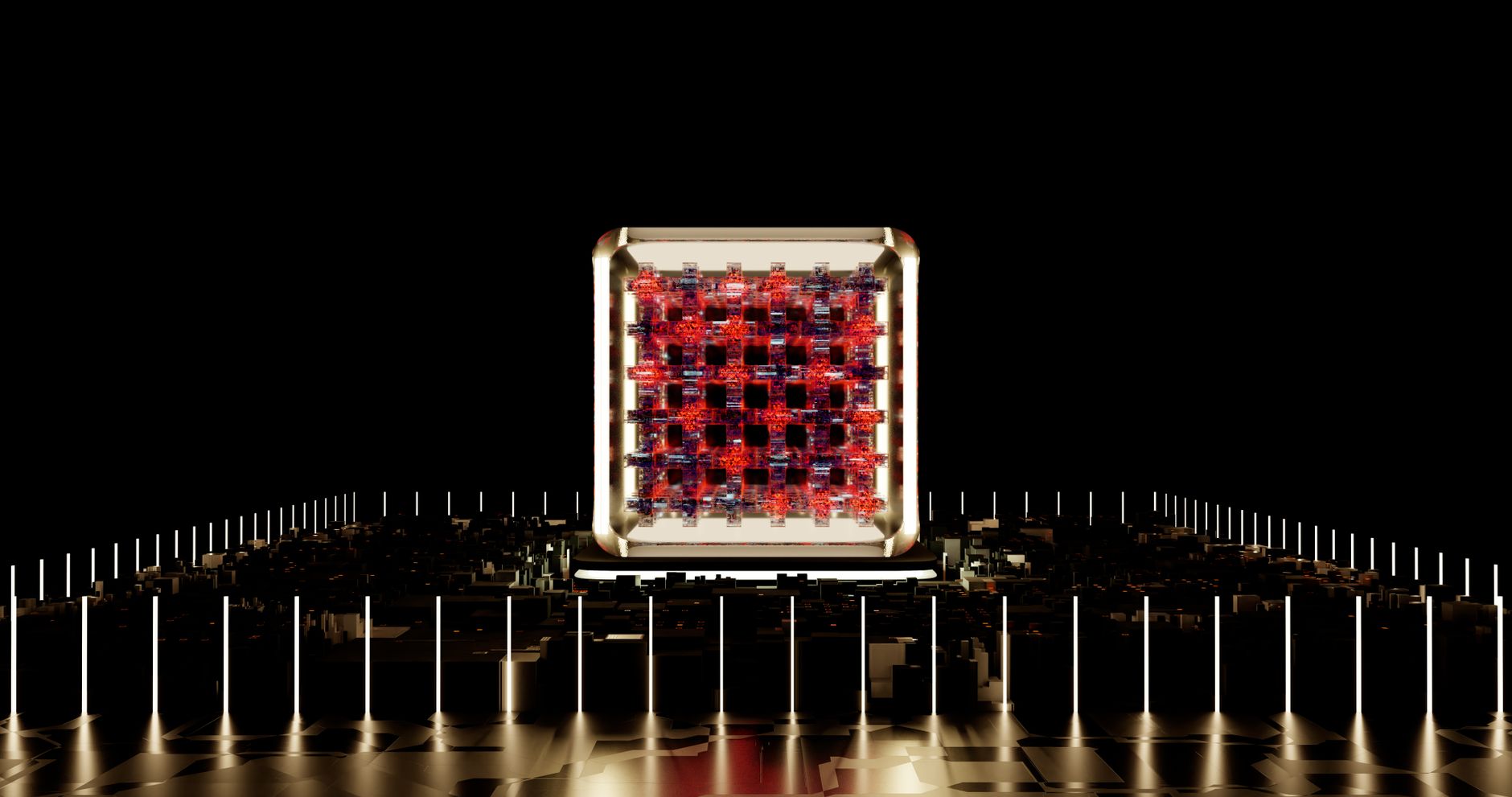
An in‑depth look at how China’s latest five‑year plan integrates quantum information science with AI, photonics, and advanced manufacturing to build a self‑sufficient innovation ecosystem by 2035.
Why the 14th Five‑Year Plan Matters for Quantum Technology
China’s 14th Five‑Year Plan (2021‑2025) places quantum information science at the heart of a broader deep‑technology strategy, weaving it with AI, photonics, micro‑electronics, and new materials to create a coordinated “deep‑tech stack” aimed at technological and economic self‑reliance.,The State Council’s outline signals that quantum research will move from pure physics labs into national laboratories, industrial demonstration sites, and commercial products, marking a clear policy shift toward deployment.
From Communications to a Full Quantum Stack
The new plan triples the mention of quantum compared to the 13th Five‑Year Plan, expanding the terminology to include quantum computing, quantum communication, and quantum sensing, thereby covering hardware, networking, and processing.,This linguistic expansion reflects a strategic upgrade: quantum is no longer a single megaproject but a structural pillar that underpins the coming “intelligent economy.”
Quantum Computing, Communication, and Sensing in Action
China’s quantum program now spans three domains. The Micius satellite, launched in 2016, gave the country an early lead in space‑based quantum key distribution. On the computing front, firms such as Origin Quantum and TuringQ pursue superconducting and photonic architectures, while state‑backed projects in Anhui and Jiangsu build photonic integration facilities for ultra‑precise navigation and imaging.,These initiatives illustrate how central policy translates into concrete infrastructure across the quantum value chain.
Deep‑Tech Convergence: AI, Photonics, and Advanced Materials
The plan treats artificial intelligence as both an economic engine and a governance tool, while photonics and advanced microelectronics are labeled the substrate for domestic computing independence. New materials are listed as a foundational enabler for everything from quantum chips to aerospace components.,By grouping quantum information with AI and genetic engineering, the document implicitly ties quantum research to China’s ambitions for artificial general intelligence, encouraging convergent R&D where breakthroughs in one field accelerate progress in another.
Conclusion
China’s 14th Five‑Year Plan positions quantum technology as a core pillar of its 2035 innovation vision, integrating it with AI, photonics, and advanced materials to build a self‑sufficient deep‑tech ecosystem.,The plan’s top‑down, coordinated approach contrasts with the more distributed models in the U.S. and Europe, offering a unique pathway to rapid deployment and global competitiveness.
Image Credit:
Pachon in Motion
NVIDIA Ising: Open AI Models Usher in a New Era for Practical Quantum Computing
Read
AirSeq: How Airborne DNA Sequencing Is Revolutionizing Pathogen Detection
Read
China’s Quantum Leap: How the 14th Five-Year Plan Reshapes the Global Deep Tech Race
ReadPut ideas to work.
If this sparked something, the next step is a short conversation.